Apple storage notice asks for account login and card
A cloud-storage alert claims an Apple account is full or locked and asks the target to sign in through a phishing page.
First reported May 14, 2026 · Updated May 27, 2026
⚡ The 30-second version
How it arrives: A text, email, or website that looks like a company you know.
If you see any of these…
- A link that almost matches the real address — but not quite
- A small fee, 'verification,' or login request out of nowhere
- Urgency: act now, package on hold, account suspended
…do this now
- Don't tap the link. Go to the company's real site or app yourself.
- If you entered a password or card number, change it and call your bank now.
- Delete the message and report it below — it helps warn the next person.
How this scam works
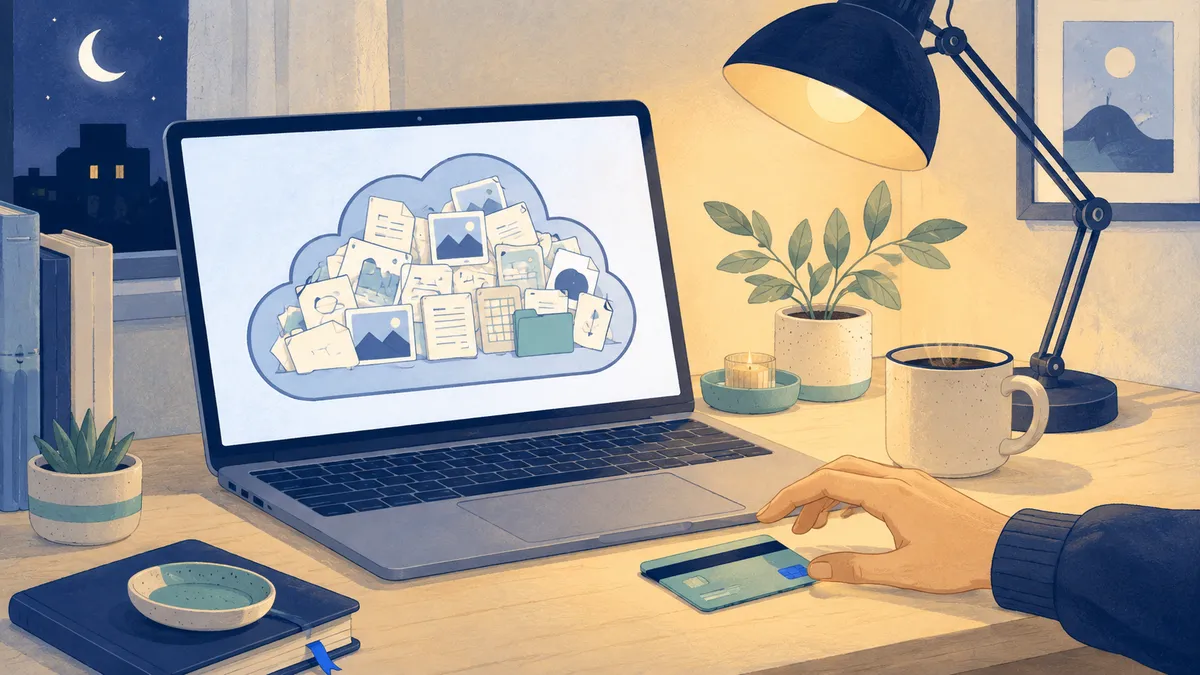
The email used a familiar consumer-tech pretext: cloud storage was full, payment failed, or the account would be locked. It copied Apple-style language and linked to a login page that asked for an email address, password, and card update. The scam depends on routine account maintenance. Storage warnings and subscription notices are common, so the target may act without checking the sender. Once credentials are entered, the attacker can try them against the real account and other services. The card field adds direct payment fraud. The safe path is simple. Do not use links inside unexpected storage or account-lock messages. Open the account from the official app or a bookmark. If the account has a real billing or storage problem, it will show there. Report the phishing message and change passwords if credentials were entered.
If this happened to you
First, take a breath. Being targeted is not your fault — these scammers do this all day, every day, and they are very good at it. Here's what to do next:
- Stop contact and don't send any more money or information.
- If money or an account is involved, call your bank or card company right away.
- Report it — it helps protect others:tell us here and file with theFTC ↗.
- Tell someone you trust. Talking about it openly takes away the scammer's biggest weapon: shame.
If you're feeling embarrassed or shaken, that's a completely normal reaction — and it passes. You're not alone, and help is free:
- AARP Fraud Watch Helpline: 877-908-3360 — free to talk it through, even if you're not a member.
- Recover your identity: IdentityTheft.gov ↗ — a free, step-by-step plan from the FTC.
Know someone who might fall for this?
Take two seconds to send it to them — forwarding a scam to the people you love is the easiest way to stop one before it starts.
We compile entries from the public source linked in the case facts. We don't publish private screenshots or message threads. If you report a new instance, please keep the original message, sender address, phone number, links, and any payment request.
Similar scams to know
See all Phishing →
Fake delivery address verification requests card data
A package notice says the address is incomplete and then asks for a credit card to cover a made-up delivery tax.

Customs payment text demands $3.99 to release delivery
A delivery-hold SMS asks for a small customs payment and routes the target to a lookalike shipping page.
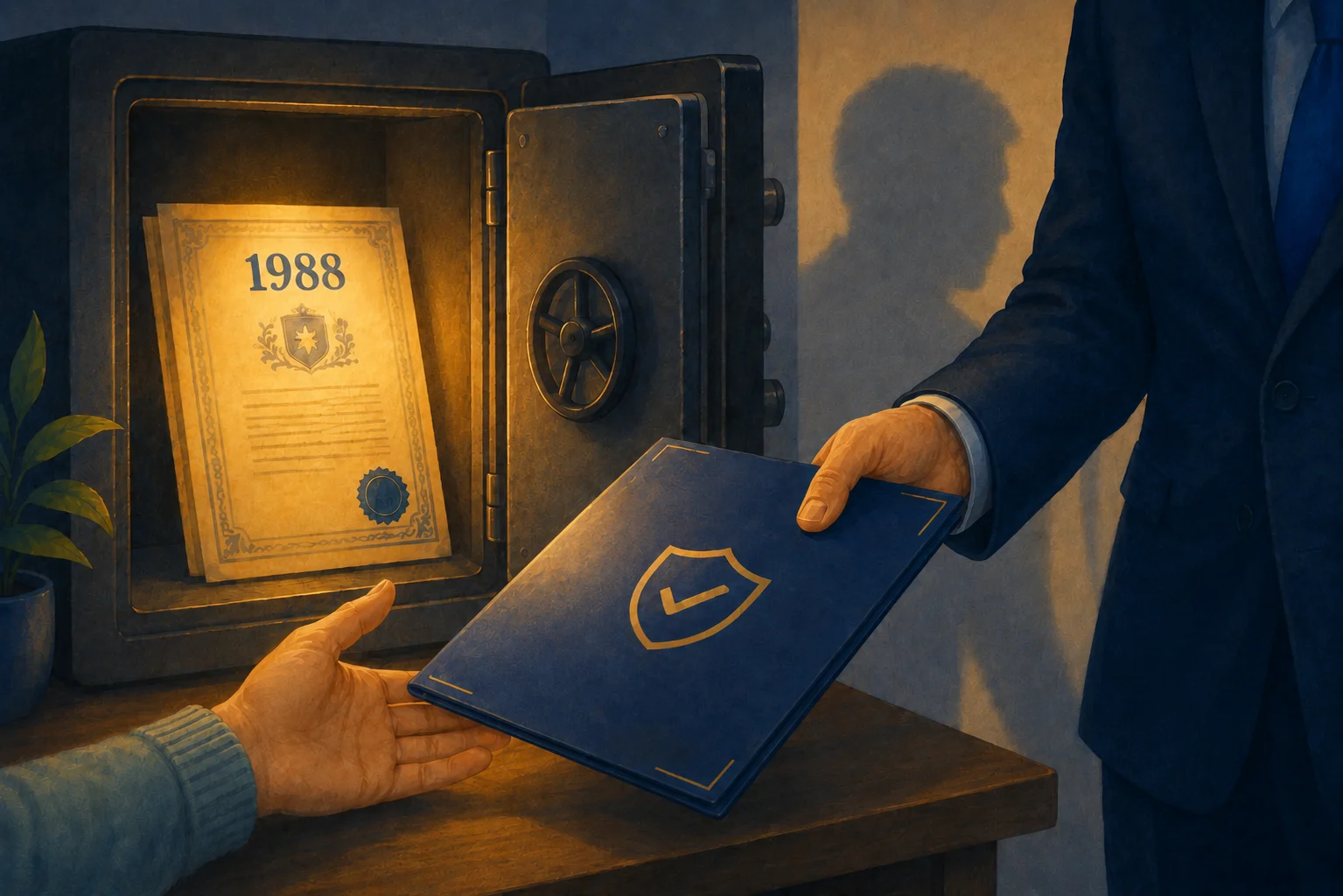
Insurance agent uses family pressure to churn a paid-up life policy
A licensed agent called adult children and tracked the policyholder down at her workplace to push a 1035 exchange of a 38-year-old paid-up policy — the classic churning script.